
Independent legal information for the Denver metro
Denver Personal Injury Lawyer Guide
Hurt in a crash, a fall or a dog bite? This guide explains what happens next in plain language: the first steps, how insurance claims move, how Colorado looks at fault and deadlines, and how to pick a lawyer who fits. It is not a law firm, and it will not pretend to be one.
Most people meet the claims process at the worst possible moment: in pain, short on sleep, and fielding calls from an adjuster who does this every day. We built this guide so you walk into those calls, and into a lawyer's office, already knowing the vocabulary.
Everything here is general information about how injury claims usually work in Colorado. We cite statutes by name where we can, we say when a rule has exceptions, and we tell you when a question needs a licensed attorney. We do not name lawyers, quote results, or promise outcomes.
- Injury types covered5
- Claim and law guides4
- Guides on hiring a lawyer2
The first week
Five moves after you get hurt
The order matters less than doing all five. Each one protects your health first and your claim second. The checklist page turns them into boxes you can tick.
Open the first-week checklist-
01
Get care.
Adrenaline hides injuries. A same-day or next-day exam documents what happened and when, which insurers look for.
-
02
Document.
Photos of the scene, damage, injuries and road or floor conditions. Names of witnesses. A short note of what you remember, written today.
-
03
Report it.
Police for crashes, the manager or owner for falls, animal control for bites. Ask for the report or incident number.
-
04
Say less.
Stick to facts with every insurer. Avoid guessing about speed, fault or how badly you are hurt while you are still being treated.
-
05
Ask early.
Deadlines and evidence do not wait. A short talk with a Colorado attorney early on costs little and can prevent expensive mistakes.



Injury types
What happened to you?
Each kind of injury runs on slightly different rules and evidence. Pick the one closest to your situation; each guide covers the specific steps, the people who may be responsible, and the questions worth asking.
-
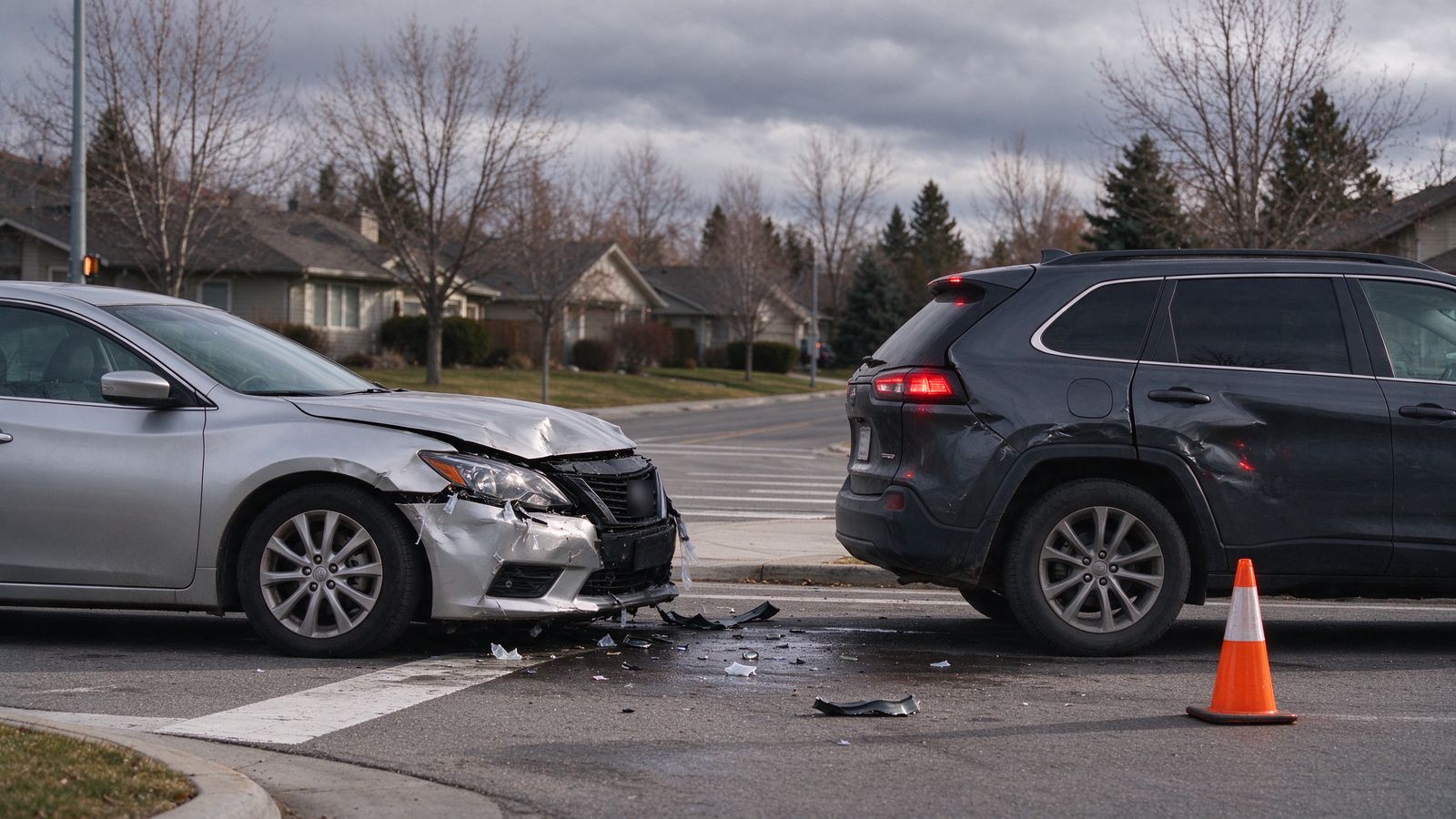
Rear-end, intersection and lane-change crashes. Colorado is an at-fault state, so the driver who caused the crash and their insurer are usually the starting point, with your own coverage behind them.
Read the car and truck guide -
Commercial trucks bring more parties: the driver, the carrier, sometimes a shipper or maintenance shop, plus federal safety rules and electronic records that can be overwritten if nobody asks for them.
Jump to the truck section -
Riders and walkers have little protection and often face arguments about visibility and right of way. Helmet camera footage, signal timing and nearby video can matter.
Read the bike and pedestrian guide -
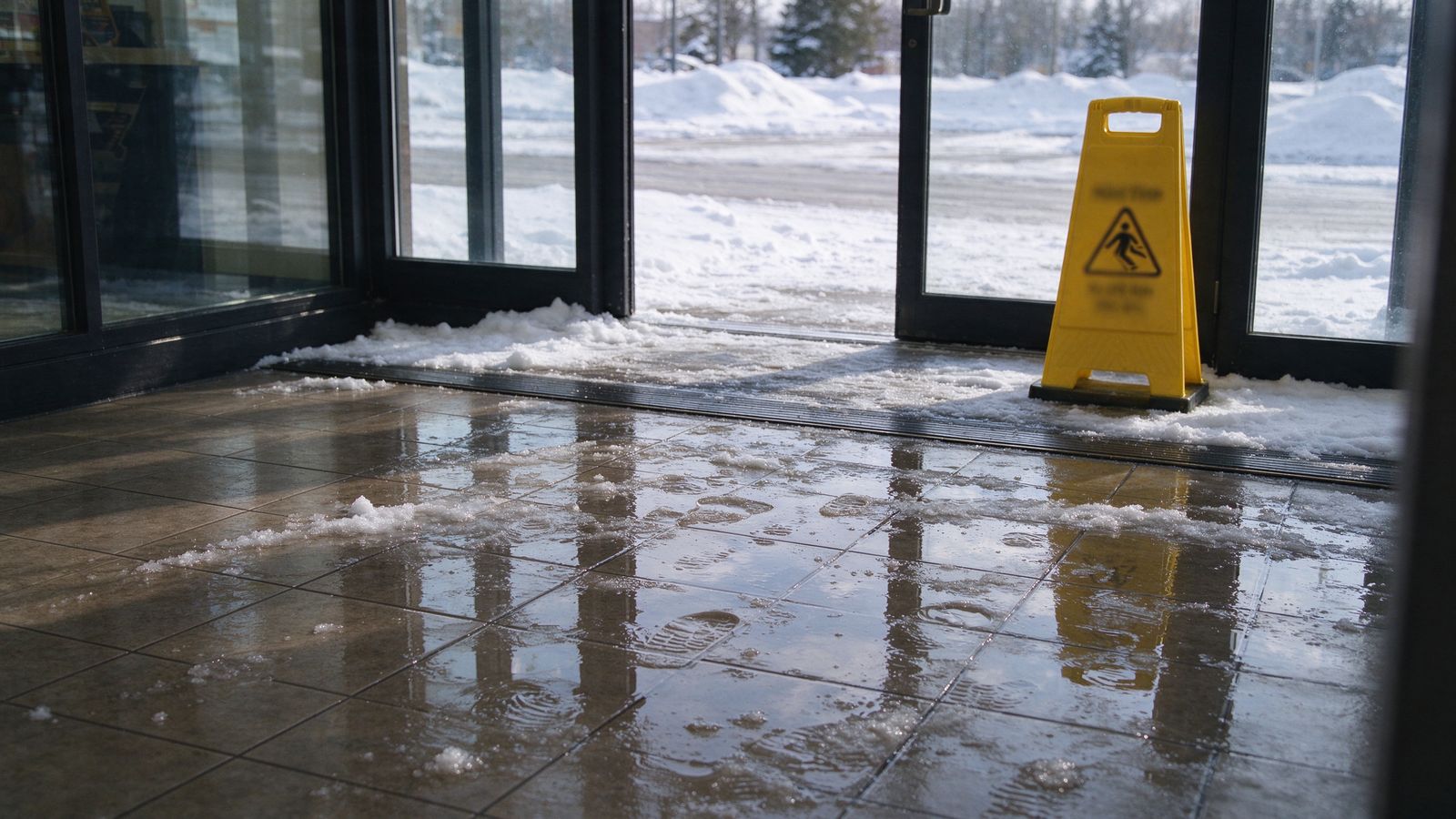
Snow, ice, wet entryways and broken steps. Colorado's Premises Liability Act sets what a property owner owes you, and it depends on why you were on the property.
Read the slip and fall guide -
Colorado has a specific dog bite statute for serious injuries, with its own exceptions, alongside ordinary negligence claims. Animal control reports and medical records do a lot of the work.
Read the dog bite guide

How a claim usually moves
From the scene to a decision
Most injury claims settle without a trial, but they pass through the same stations. Knowing which station you are at tells you what the insurer is waiting for and what you should be gathering.
How insurance claims work-
01 · Injury
Treatment first
Care, records and a paper trail start on day one.
-
02 · Notice
Claim opened
Insurers are notified and assign claim numbers and adjusters.
-
03 · Evidence
Investigation
Reports, photos, statements and medical records are collected.
-
04 · Demand
Damages totalled
Bills, lost wages and other losses are documented in a demand.
-
05 · Talks
Negotiation
Offers and counteroffers. Liens on any money are identified.
-
06 · Outcome
Settle or file
A signed release ends the claim; otherwise a lawsuit may be filed before the deadline.
Shared fault, illustrated
How Colorado splits blame
Colorado follows a modified comparative negligence rule, found in C.R.S. 13-21-111. In general terms, a jury assigns each side a percentage of fault, your damages are reduced by your share, and you cannot recover from a party whose share of fault is smaller than yours.
Insurers use this rule in negotiation long before any jury sees a case: a suggestion that you were "partly responsible" is often a way to discount an offer. Move the slider to see how the arithmetic works, then read the fault and deadlines guide for the details and exceptions. Confirm how it applies to you with a lawyer.
Illustration only, not a case evaluation
At 20% fault, an award would generally be reduced by 20%, leaving 80% of the amount a jury found. This is an illustration, not a prediction.
Simplified to one claimant and one other party. Cases with several parties are apportioned differently.
Before you sign anything
What a fee agreement should spell out
Injury lawyers usually work on contingency. Colorado court rules require those agreements to be in writing. Read yours for these five things before you sign, and ask about anything that is vague.
-
01
The percentage, and whether it changes
Some agreements use one percentage; others step up if a lawsuit is filed or a trial starts. Find the exact trigger for any change.
-
02
How case costs are handled
Filing fees, records, expert witnesses and depositions cost money. Ask whether costs come out before or after the fee is calculated, because the difference is real.
-
03
What happens if there is no recovery
Ask in plain words whether you would owe anything, including costs, if the case recovers nothing.
-
04
Liens and who resolves them
Health insurers, Medicare, Medicaid and medical providers may claim part of a settlement. Ask who negotiates those and whether that work is included.
-
05
How you can end the relationship
You can usually change lawyers. The agreement should say how fees are handled if you do.
Sheet 04 / Choosing counsel
How to judge an injury lawyer
Four checks you can run before your first meeting. Hover or tap a cell to read each one; the full guide adds questions you can copy into your notes.

01 / License
Confirm the license yourself
Search the Colorado Supreme Court attorney registration records for the lawyer's name and status before you meet. It takes two minutes.
02 / Focus
Ask what share of their work is injury cases
Injury law has its own insurance, lien and trial issues. Ask how many cases like yours they handle and who on the team does the day-to-day work.
03 / Contact
Find out who answers your calls
Most complaints about lawyers are about communication. Ask how often you will hear from them and how fast messages get returned.
04 / Paper
Read the agreement at home
A good lawyer is happy for you to take the fee agreement away and read it. Pressure to sign on the spot is a reason to pause.
Questions people ask first
6 questions
Is this website a law firm?
No. It is an independent legal information resource. Nobody here gives legal advice, and sending a message does not create an attorney-client relationship. For advice about your own situation, talk to a lawyer licensed in Colorado.
How long do I have to file an injury claim in Colorado?
It depends on the type of claim and who is involved. Colorado sets filing deadlines in statutes such as C.R.S. 13-80-101 and 13-80-102, and claims against a government body can need a written notice much sooner under the Colorado Governmental Immunity Act. Exceptions exist and rules change, so confirm your deadline with a lawyer early.
Can I still recover if the crash was partly my fault?
Often, yes. Colorado uses a modified comparative negligence rule (C.R.S. 13-21-111): an award is reduced by your share of fault, and recovery against a party is barred if your share is as great as that party's. How fault gets assigned is a fact question, which is why evidence matters.
Should I give a recorded statement to the other driver's insurer?
You are generally not required to give one to the other side's insurer. Your own policy may require cooperation with your insurer. Many people speak with a lawyer before giving any recorded statement, because early statements are often quoted later.
What does a contingency fee mean?
The lawyer's fee is a percentage of any recovery instead of an hourly bill. In Colorado these agreements must be in writing under court rules, and they should explain the percentage, how case costs are handled, and what happens if there is no recovery.
Do I need a lawyer for a minor injury?
Not always. Some small property-damage or soft-tissue claims settle directly with an insurer. A short consultation can still help you understand the value of your claim, liens on a settlement, and the deadline before you sign a release.
Have a general question about your situation?
Use the inquiry form for general questions. Keep it short and leave out anything confidential: this is not a law firm and a message here does not create an attorney-client relationship.
Open the inquiry form